When Your Own Stove Feels Like a Stranger: Rebuilding a Cooking Identity After Years of Eating the World
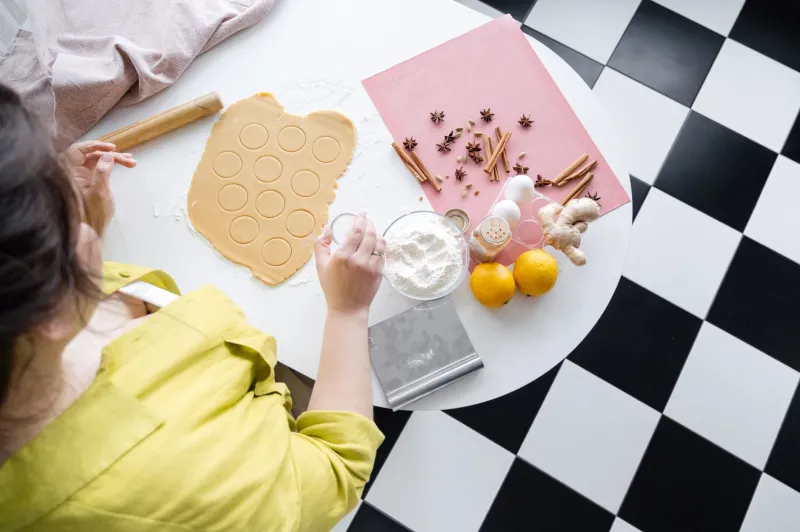
There's a specific kind of disorientation nobody warns you about when you've spent serious time abroad. It's not jet lag. It's not the social awkwardness of being back. It's standing in your own kitchen — the one you've cooked in for years — and feeling completely, inexplicably lost.
You know where the colander is. You know how your burners run hot on the left. And yet something is deeply off. The pantry feels thin. The cooking feels rote. You've spent months learning how to coax flavor out of a Moroccan tagine or nail the balance of a Vietnamese broth, and now you're staring at a box of pasta like it personally offended you.
Welcome to reverse kitchen culture shock. It's real, it's weirdly emotional, and you are not alone.
Why Your Own Cooking Suddenly Feels Like a Downgrade
When you live or travel somewhere long enough to actually cook there — not just eat out, but shop at local markets, learn from neighbors, figure out what makes a dish taste right in context — you absorb something that goes beyond recipes. You absorb a philosophy.
In Japan, you learned that restraint is a form of respect. In Mexico, you understood that fresh ingredients don't need much help. In India, you discovered that layering spice is an entire conversation, not just a flavor decision.
Then you come home to a kitchen stocked with things you bought before you left, and none of that philosophy has a place to land. The food you used to make feels hollow. But the food you want to make requires ingredients your local Kroger doesn't stock, techniques that need equipment you don't own, and — honestly — a context that doesn't exist in your suburban zip code.
That gap between who you were as a cook before and who you've become while traveling? That's the identity crisis nobody puts in the travel memoir.
The Trap of Going Purist (And Why It Never Works)
The first instinct most people have is to go full authenticity mode. You come home, you order every specialty ingredient online, you watch YouTube videos from actual grandmothers in the region you just left, and you try to recreate exactly what you ate abroad.
And sometimes it's great. But more often, it's a little sad. Because food doesn't exist in a vacuum. That bowl of pho tasted like that because of the humidity, the street noise, the fact that you'd been walking for three hours. The lamb tagine was perfect because you ate it with people who'd been making it that way their whole lives.
You can get close. You can't get there. And chasing it too hard turns cooking into grief.
The other trap is overcorrecting in the opposite direction — deciding your travels were just a phase and defaulting back to the same Tuesday night rotation you had before you left. Chicken breast and roasted vegetables. Pasta with jarred sauce. Safe, fine, completely joyless.
Neither extreme serves you.
Building a Hybrid Kitchen That Actually Feels Like Yours
The answer isn't authenticity. The answer is integration.
Your cooking life now exists in two worlds simultaneously, and the goal isn't to pick one. It's to build a kitchen identity that's genuinely yours — shaped by where you've been, grounded in where you are.
Here's what that actually looks like in practice:
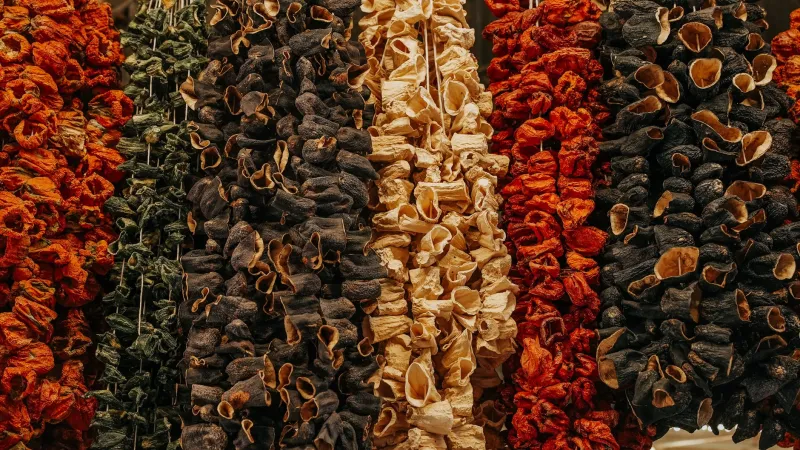
Audit your pantry with new eyes. Go through what you have and ask what each ingredient can do in the context of what you've learned. That fish sauce you bought for one recipe? It belongs in your salad dressing now. The dried chiles you picked up on a whim? They go in your next pot of beans. Stop treating international ingredients like special occasion items and start treating them like basics.
Adopt techniques, not just recipes. The most transferable thing you bring home from cooking abroad isn't a specific dish — it's a method. Did you learn to bloom spices in oil before adding anything else? Do that with your American comfort food. Did you learn to build acid into every dish? Apply that to your weeknight cooking. Techniques travel better than ingredients.
Find your local analog. Every region has its version of things. The farmers market in your city probably has produce that has no business being as good as it is. The international district, if you have one, stocks things that bridge the gap. The Middle Eastern grocery store three towns over is worth the drive. Stop cooking only from the big-box grocery store and your hybrid kitchen starts to come alive.
Give yourself permission to fuse without guilt. Miso butter on your Thanksgiving turkey. Gochujang in your mac and cheese. Za'atar on your avocado toast. You're not disrespecting any culture — you're doing what cooks have always done, which is absorbing influence and making it your own.
The Emotional Part Nobody Talks About
Here's the thing about reverse kitchen culture shock that makes it harder than it sounds: it's not really about the food.
It's about identity. When you've spent significant time in other cultures, you change. Your palate changes, obviously, but so does your relationship to pleasure, to slowness, to the ritual of eating. You come home and you're a different person trying to live in the same old context, and the kitchen is just where that tension shows up most clearly.
Giving yourself permission to cook differently — to be neither the person you were before nor a permanent expat in your own home — is actually part of the larger work of integrating a life that's been genuinely altered by travel.
Your kitchen can hold all of it. The childhood comfort food and the technique you learned in a Lisbon cooking class. The weeknight shortcuts and the Saturday afternoon slow-cook project. The American staples and the pantry full of things your neighbors have never heard of.
You don't have to choose a lane. You just have to cook like yourself — whoever that is now.