Bring Home the Trip, Not the Tchotchke
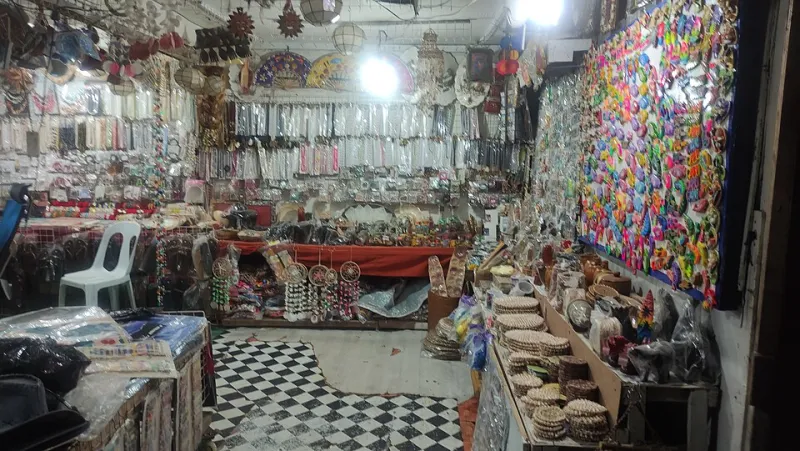
Photo: RizaCPH, CC BY-SA 4.0, via Wikimedia Commons
The souvenir shop at the airport is a masterclass in bad decisions. You are tired, you are early, and everything is tax-free in a way that feels like a personality. Twenty minutes later you own a snow globe, a wooden bowl, and a keychain shaped like a local landmark you did not actually visit. This is not a memory. This is a tax on your carry-on.
The Obligation Purchase Is Real
Most souvenirs are not bought for you. They are bought for the idea of someone. The coworker who watered your plants. The aunt who will ask what you brought back. The friend whose fridge is already covered in magnets from places you have never been. You are not shopping for a person; you are shopping for a social debt.
The giveaway is the phrase 'I have to get something for...' If you are standing in a shop thinking about obligation, put the object down. A gift should not feel like a ransom payment. If you truly want to bring something back for someone, buy it because you saw it and thought of them, not because you owe them a receipt of your trip.
A Souvenir Is a Verb
Here is the framework I use now: a souvenir should do something. It should be used, eaten, worn, or looked at with genuine pleasure on a regular basis. If it will live in a drawer, it is not a souvenir. It is a delayed donation.
That does not mean everything has to be practical. A small piece of art that makes you smile every time you walk past it is doing something. A beautiful scarf you wear once a month is doing something. A ceramic mug you actually drink from is doing something. But a tiny replica of a cathedral that will collect dust on a shelf? That is a knickknack with a passport stamp.
The Three-Question Filter
Before I buy anything on a trip, I ask three questions:
- Where will this live in my home? If the answer is 'I'll figure it out,' I will not figure it out. I will put it in a bag and forget it.
- When will I use it? If the answer is 'someday,' that is not a plan.
- Would I buy this if I saw it at a store near my house? If the answer is no, the only thing special about it is the location of the store. That is not enough.
This filter has saved me from a lot of regret. It has also helped me buy better things. The olive oil I actually cook with. The hand-thrown bowl that holds my keys. The print from a tiny gallery that I framed and hung three years ago and still look at. Those are souvenirs. The rest was just shopping.
Better Souvenirs for People Who Live in Small Apartments
If you are short on space, get consumable. Food is the easiest win. A jar of local honey, a spice blend, a good bar of chocolate, a bottle of something you will actually open. These are memories you can taste, and they do not require shelf space. They also make excellent gifts if you are the kind of person who feels guilty returning home empty-handed.
Paper is another good option. Postcards, a small print, a map, a ticket stub you frame. Paper can go in a drawer or on a wall. It does not need a dedicated table. Textiles are good too, as long as you are honest about whether you will wear them. A scarf you never wear is just a very expensive napkin.
What to Do With the Regret Pile
We all have one. The carved elephant. The shot glass. The woven bag that shed on everything. You do not have to keep it because it came from a trip. That is not a moral obligation. It is a shelf tax.
Start with a box. Put everything you are not sure about in it. Wait a month. If you have not missed it, donate it, regift it, or put it in the craft bin for a kid who will turn it into something else. Keep the one thing that actually makes you remember the trip. The memory is not in the object. The memory is in you. The object is just a prompt.
The One-in-One-out Rule
If you are trying to break the habit, use a simple rule: one in, one out. Buy a new mug, donate an old one. Bring home a new scarf, give away one you never wear. This keeps your home from becoming a museum of every place you have ever been. It also makes you think before you buy. Is this new thing better than what I already have? If not, leave it on the shelf.
The best souvenir I ever brought home was a bag of coffee beans from a tiny roaster. I drank it in the first week. I remember the trip every time I smell coffee. It cost less than the snow globe, and it did not need a shelf. That is the whole trick. Bring home the trip, not the tchotchke. Your apartment will thank you.